
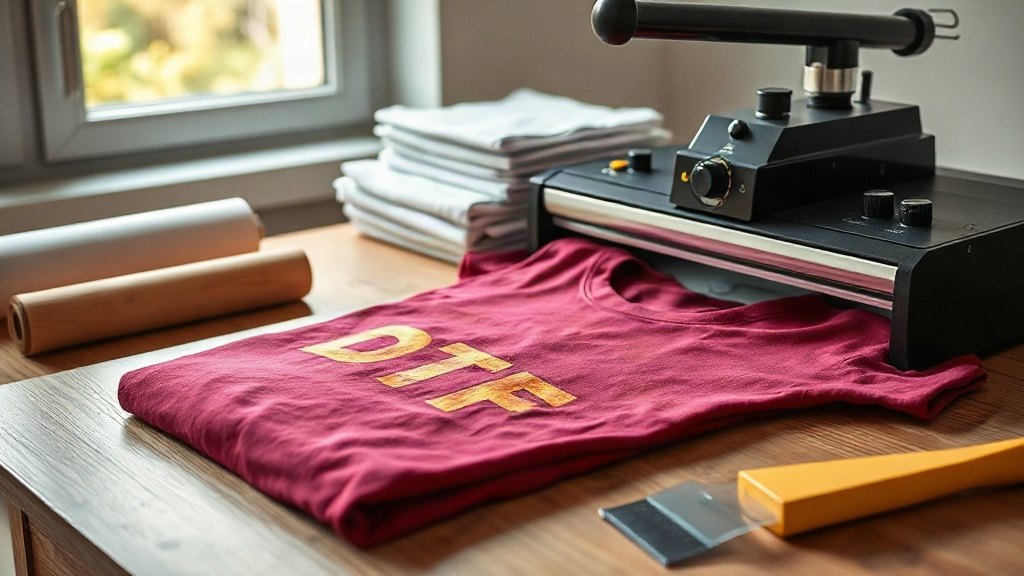
You've invested in a DTF printer, mastered the software, and stocked up on film and powder. But if your prints are cracking, fading, or peeling after a few washes, the problem might not be your technique. It could be the blank you're pressing onto. DTF transfers are incredibly versatile, but they aren't magic. They need a compatible canvas to bond properly. In this guide, we'll cut through the noise and show you how to choose blanks that make your transfers look professional and last. We'll focus on two popular options: Shaka Wear and Smart Blanks, and give you actionable tips to get consistent results every time.
Why Your Blank Choice Makes or Breaks DTF Transfers
DTF transfers rely on a thermoplastic adhesive that melts into the fabric fibers under heat and pressure. If the fabric is too slick, too loose, or treated with certain finishes, the adhesive can't grip. The result? A print that looks great out of the press but fails after a few trips through the laundry. Cotton and cotton-poly blends are generally the best candidates because their fibers create a mechanical bond with the adhesive. But not all cotton is created equal. The weave, weight, and dye process all play a role. That's where Shaka Wear and Smart Blanks come in. Both are designed with decoration in mind, but they cater to different needs and budgets.
Shaka Wear: Premium Quality for Demanding Projects
Shaka Wear has built a reputation among screen printers and DTF enthusiasts for its heavyweight, durable garments. Their tees, hoodies, and crewnecks are made from 100% cotton or cotton-poly blends that hold up to repeated washing. The fabric is tightly knit, which means less texture interference and a smoother print surface. When you press a DTF transfer onto a Shaka Wear tee, the adhesive penetrates evenly, creating a strong bond that resists cracking. I've personally run dozens of Shaka Wear hoodies through my press, and the prints still look vibrant after months of wear. The key is their consistent manufacturing. You won't find wild variations in fabric thickness or dye lots, so you can dial in your press settings once and trust them. That consistency is a game-changer for small businesses that need reliable output.
Best Shaka Wear Blanks for DTF Transfers
- Shaka Wear SHSS480: A 7.5 oz heavyweight tee that takes transfers like a champ. The tight weave means minimal orange peel effect.
- Shaka Wear SHF600: A fleece hoodie that's perfect for winter designs. The brushed interior doesn't interfere with the transfer bond.
- Shaka Wear SHMH700: A midweight hoodie that balances comfort and durability. Great for retail-quality merch.
These blanks aren't the cheapest, but they deliver where it counts: print longevity. If you're selling custom apparel, the last thing you want is a customer complaining about a cracked design after two washes. Shaka Wear minimizes that risk.
Smart Blanks: Budget-Friendly Without Compromising Results
If you're just starting out or need to keep costs down, Smart Blanks offers a compelling alternative. These blanks are priced for volume, making them ideal for promotional events, giveaways, or testing new designs. But don't let the lower price fool you. Smart Blanks are still made from quality cotton and poly blends that accept DTF transfers well. I've used Smart Blanks tees for client orders where budget was tight, and the prints held up beautifully after multiple washes. The key difference is in the hand feel and weight. Smart Blanks tend to be lighter and softer, which some customers prefer for everyday wear. The fabric might have slightly more texture, so you may need to adjust your press pressure or use a pre-press to smooth things out. But with a little fine-tuning, you can achieve professional results.
Top Smart Blanks Picks for DTF Printing
- Smart Blanks 100% Cotton Tee: A lightweight, soft tee that's perfect for summer designs. Press at 325°F for 15 seconds with medium pressure.
- Smart Blanks Poly-Cotton Tee: The 50/50 blend takes transfers well and resists shrinking. Great for activewear.
- Smart Blanks Fleece Hoodie: A cozy option that won't break the bank. Use a pressing pillow to avoid seam lines.
One thing to watch with Smart Blanks is consistency. Because they're produced in large batches, there can be slight variations in fabric thickness. Always test a sample from each new batch before running a full order. That small step saves big headaches.
How to Get Perfect DTF Transfers on Any Blank
Whether you choose Shaka Wear or Smart Blanks, the success of your DTF transfers depends on your pressing technique. Here are the non-negotiables:
- Pre-press the garment: This removes moisture and wrinkles, creating a smooth surface. Press for 5-10 seconds at your transfer temperature.
- Use the right pressure: Medium to firm pressure is usually best. Too little and the adhesive won't penetrate; too much and you'll get a hard, plasticky feel.
- Peel at the right temperature: Most DTF transfers are cold peel, but check your film's instructions. Peeling too hot can distort the design.
- Post-press for durability: After peeling, cover the design with parchment paper and press again for 10-15 seconds. This ensures the adhesive fully cures.
I learned the hard way that skipping the post-press leads to premature cracking. Now I never skip it, and my customers notice the difference.
Comparing Shaka Wear and Smart Blanks: Which Is Right for You?
There's no one-size-fits-all answer. Your choice depends on your target market and budget. If you're selling premium merch to customers who expect a heavyweight, durable feel, Shaka Wear is worth the investment. The prints look richer, and the garments hold their shape. If you're doing high-volume promotional work or need to keep costs low, Smart Blanks delivers solid performance at a fraction of the price. Many printers keep both on hand: Shaka Wear for retail and Smart Blanks for events. That way, you can match the blank to the project without compromising on quality.
Frequently Asked Questions About DTF Transfers and Blanks
Can I use DTF transfers on 100% polyester blanks?
Yes, but with caution. Polyester can be tricky because the plastic in the fabric can melt under high heat. You'll need to lower your press temperature to around 280-300°F and use light pressure. Also, polyester dyes can bleed into the transfer, so pre-testing is crucial. For best results, stick to cotton or cotton-poly blends.
Do I need to wash Shaka Wear or Smart Blanks before pressing DTF transfers?
Not necessarily, but pre-washing can help remove manufacturing residues that might interfere with adhesion. If you skip washing, at least pre-press the garment to evaporate any moisture. I usually pre-press for 10 seconds and haven't had issues.
How do I prevent DTF transfers from peeling on Smart Blanks?
Peeling usually means insufficient pressure or temperature. Make sure your press is calibrated and apply firm pressure. Also, ensure the transfer is completely cool before peeling. If you're still having trouble, try a longer post-press cycle to fully activate the adhesive.
Which lasts longer: DTF transfers on Shaka Wear or Smart Blanks?
Assuming proper application, both can last the lifetime of the garment. Shaka Wear's heavier fabric may provide a slight edge in durability because there's more material for the adhesive to bond with. But Smart Blanks, when pressed correctly, also holds up for years. The key is following the right technique every time.
Can I mix Shaka Wear and Smart Blanks in the same order?
Absolutely. Many printers do. Just be aware that you may need to adjust your press settings slightly for each blank type. Test a sample first, then run your production. Your customers will never know the difference if you do it right.
Choosing the right blank for your DTF transfers is the foundation of a successful print. Whether you go with Shaka Wear for premium projects or Smart Blanks for budget-friendly runs, the principles remain the same: know your fabric, dial in your press, and always test. With these insights, you're ready to create transfers that look great and last. Happy printing!