
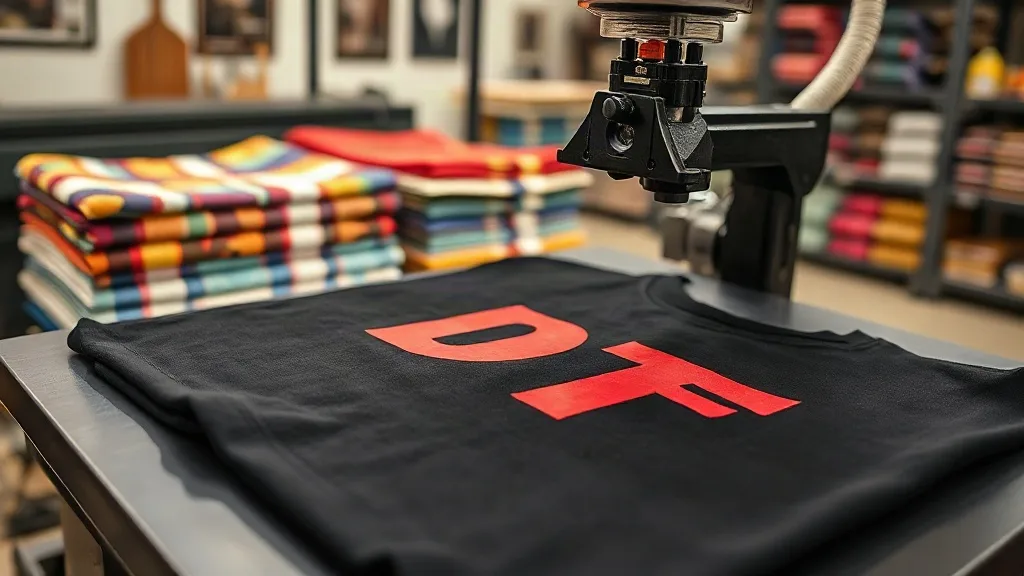
When you first start working with dtf transfers, it's easy to focus on the basics: print, press, peel. But as you gain experience, you realize that the real magic lies in the details. Which fabrics will hold the ink best? How do you achieve a soft, vintage feel versus a bold, glossy look? And what does it take to make a print survive dozens of washes without cracking or fading? These are the questions that separate a good print from a great one. In this guide, we'll dive deep into the factors that influence the quality and longevity of your DTF prints, so you can make informed decisions and deliver outstanding results every time.
Understanding Fabric Compatibility
One of the biggest advantages of dtf printing is its versatility across a wide range of fabrics. Unlike some methods that require specific materials, DTF transfers adhere well to cotton, polyester, blends, and even some synthetics. However, not all fabrics behave the same way. The fiber content, weave, and finish of the fabric can affect how the transfer bonds and how it feels.
Cotton and Cotton Blends
Cotton is a natural choice for DTF because it accepts the adhesive well and provides a smooth surface for the ink. Prints on 100% cotton tend to be vibrant and durable. Cotton blends, such as 50/50 cotton-polyester, also work well, but the polyester content can influence the hand feel. In general, the higher the cotton content, the softer the print will feel after washing.
Polyester and Synthetics
Polyester and other synthetic fabrics can be trickier. The smooth, non-porous surface of polyester means the adhesive needs to work harder to bond. However, with proper pressing parameters, DTF transfers can achieve excellent adhesion on polyester. Keep in mind that lighter-colored polyesters may require a lower pressing temperature to avoid dye migration, where the fabric's dye sublimates into the transfer. Using a pressing pad or a protective sheet can help distribute heat evenly.
Specialty Fabrics
For fabrics like nylon, spandex, and blends with elastane, DTF can still work, but testing is crucial. Stretch fabrics require the transfer to flex with the material, so choosing a high-quality transfer with good elasticity is key. Always perform a test press on a small swatch before committing to a full production run.
Choosing the Right Finish
The finish of your DTF transfer can dramatically change the look and feel of the final garment. Here's what you need to know about the most common options.
Matte vs. Glossy
Matte finishes offer a soft, subtle look that blends well with the fabric, making them ideal for vintage or distressed designs. Glossy finishes, on the other hand, provide a vibrant, eye-catching shine that's perfect for bold graphics and logos. The choice depends on the aesthetic you're aiming for and the fabric's texture. For example, a glossy finish on a smooth polyester might look too synthetic, while a matte finish on a heavy cotton can appear more integrated.
Soft Touch vs. Standard
Soft touch transfers are engineered to have a thinner, more flexible hand feel. They're great for large designs that cover a significant area of the garment, as they won't stiffen the fabric. Standard transfers are slightly thicker and more durable, making them suitable for high-wear items like workwear or sports jerseys.
Special Effects
Beyond matte and glossy, there are specialty finishes like metallic, glitter, and glow-in-the-dark. These can add a unique flair to your designs but may require specific transfer types and pressing conditions. Always follow the manufacturer's recommendations for these specialty films.
Ensuring Durability
Durability is a top concern for anyone investing in custom apparel. A print that cracks, peels, or fades after a few washes is a disappointment. Here's how to maximize the lifespan of your DTF transfers.
Proper Pressing Parameters
The pressing temperature, pressure, and time are critical. Too little heat or pressure and the adhesive won't fully activate; too much and you risk scorching the fabric or causing the transfer to become brittle. Always preheat the fabric to remove moisture, and use a reliable heat press with consistent temperature control. For most DTF transfers, a temperature of 300-330°F (150-165°C) with medium pressure for 10-15 seconds is a good starting point, but always check the transfer supplier's guidelines.
Care Instructions
Instruct your customers to wash garments inside out in cold water and tumble dry on low. Avoid using fabric softeners or bleach, as these can break down the adhesive. Following these simple care steps can significantly extend the life of the print.
Quality of Materials
Not all DTF transfers are created equal. Cheaper transfers may use lower-grade inks and adhesives that don't withstand repeated washing. Investing in high-quality transfers from a reputable supplier ensures better color vibrancy and longevity. If you're looking for reliable dtf transfers near me, do your research and choose a supplier with positive reviews and a track record of consistent quality.
Common Pitfalls and How to Avoid Them
Even experienced printers run into issues. Here are some common problems and their solutions.
- Peeling after washing: This usually indicates insufficient pressure or incorrect temperature. Double-check your press settings and ensure the transfer is fully cooled before peeling (if using a cold peel).
- Color fading: Exposure to sunlight and harsh detergents can cause fading. Use UV-resistant inks if the garment will be worn outdoors frequently, and recommend gentle washing.
- Stiff hand feel: This can happen if the transfer is too thick or if excessive pressure is used. Try a soft touch transfer or adjust pressure.
- Adhesive residue on the press: Use a protective sheet or Teflon sheet to keep your press clean and prevent residue from transferring to other garments.
Expanding Your Offerings with DTF
Once you've mastered the basics, DTF opens up new possibilities for your business. You can offer small-batch custom apparel, personalized gifts, and even on-demand printing without the need for screens or minimum orders. This flexibility is a game-changer for small shops and entrepreneurs. By understanding fabric compatibility, finishes, and durability, you can confidently take on a wide range of projects and impress your customers with professional-quality results.
Frequently Asked Questions
Can DTF transfers be applied to dark fabrics?
Yes, DTF transfers work well on dark fabrics. The white ink layer in the transfer provides a base that makes colors pop, so you can print vibrant designs on black, navy, or any dark color without worrying about the background showing through.
How long do DTF transfers last?
With proper application and care, DTF transfers can last as long as the garment itself. Typically, you can expect the print to withstand 50+ washes without significant fading or cracking. Following the care instructions is key to maximizing longevity.
What is the best way to store DTF transfers before use?
Store unused transfers in a cool, dry place away from direct sunlight. Keep them flat to prevent creasing, and avoid exposure to moisture, which can affect the adhesive. Proper storage ensures the transfers remain ready to use when you need them.
Do I need a special heat press for DTF transfers?
A standard heat press works fine for DTF transfers. However, ensure it has accurate temperature control and can maintain consistent pressure. Some printers prefer a press with a digital display for precise settings. Always follow the transfer supplier's recommendations for temperature, pressure, and time.
Can I use DTF transfers on items other than apparel?
Absolutely. DTF transfers can be applied to tote bags, hats, aprons, pillowcases, and more, as long as the material can withstand the heat of the press. It's a versatile method for personalizing a wide range of products.