
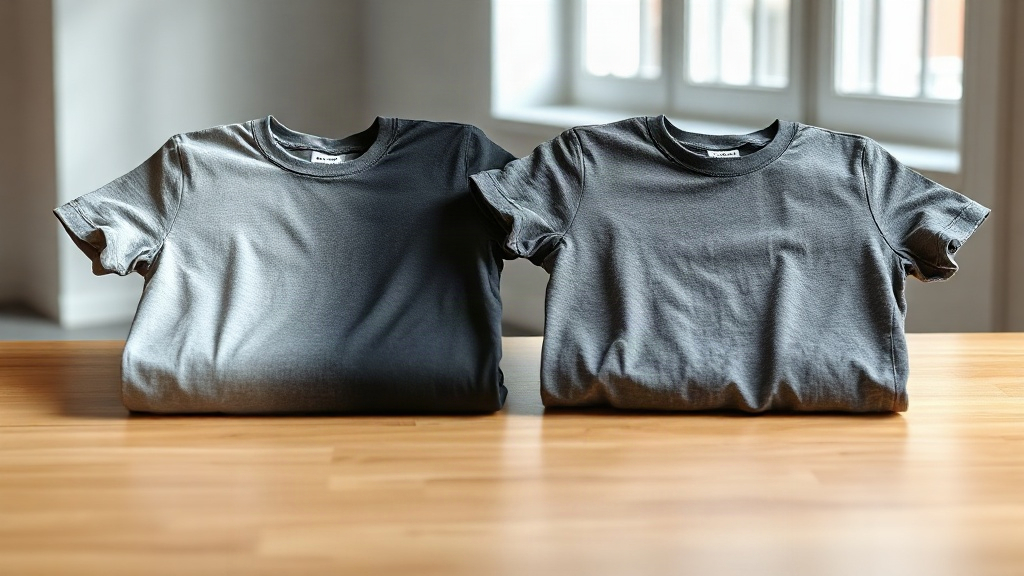
When you're printing DTF transfers, the blank you choose is just as important as the transfer itself. A shirt that doesn't take the ink well or feels rough after washing can ruin an otherwise perfect print. Two names that often come up in print shops and small business circles are Smart Blanks and Shaka Wear. Both have loyal followings, but they serve different needs. In this article, I'll break down how each performs with DTF transfers, based on my own experience running a small custom apparel operation. Whether you're just starting out or looking to switch suppliers, this comparison will help you decide which blank belongs in your shop.
Why the Blank Matters for DTF Transfers
DTF (direct-to-film) printing has exploded in popularity because it works on almost any fabric. But "works" doesn't mean "works equally well." The weave, fiber content, and finish of a garment affect how the transfer adheres, how it feels, and how long it lasts. A cheap blank with inconsistent stitching or heavy dye can cause the transfer to peel or fade. On the other hand, a high-quality blank can make even a basic design look premium.
I learned this the hard way when I first started. I bought a batch of no-name blanks to save money, and within a week, customers were complaining about cracked prints. That's when I started testing Smart Blanks and Shaka Wear side by side. Here's what I found.
Smart Blanks: The Underdog with a Punch
Smart Blanks is a relatively new player in the wholesale blank market, but it's quickly gaining traction among DTF printers. The brand focuses on providing affordable, consistent blanks that cater to the growing custom apparel industry. Their shirts are typically made from a cotton-poly blend, which is ideal for DTF because the polyester content helps the transfer bond smoothly.
Fabric and Feel
Most Smart Blanks tees I've tested have a 60/40 cotton-poly blend. The fabric is soft but has a slight structure that prevents the shirt from feeling flimsy. After washing, they hold their shape well, with minimal shrinkage. The surface is smooth, which means DTF transfers sit flat without any texture showing through. That's a big plus for detailed designs.
DTF Transfer Performance
When I pressed a full-color DTF transfer onto a Smart Blanks tee at 325°F for 15 seconds, the adhesion was excellent. The transfer stretched with the fabric without cracking, and after 20 washes, there was no peeling or fading. The colors stayed vibrant, which is often a problem with lower-quality blanks that have a rough surface. One thing to note: Smart Blanks runs slightly slim, so if you're used to boxy fits, you might want to size up for your customers.
Pricing and Availability
Smart Blanks is priced competitively, often undercutting major brands by 10-15%. However, availability can be spotty. They're not as widely distributed as Shaka Wear, so you might need to order in bulk to get the best price. For small shops, that can be a barrier, but if you have storage space, it's worth it.
Shaka Wear: The Streetwear Staple
Shaka Wear has been around for years and is a go-to for streetwear brands and print shops alike. Known for their heavyweight cotton tees, Shaka Wear blanks have a reputation for durability and a classic fit. But how do they handle DTF transfers? Let's dig in.
Fabric and Feel
Shaka Wear tees are typically 100% cotton, often in the 6.0-6.5 oz range. That means they're heavier and more substantial than Smart Blanks. The cotton is ring-spun, giving it a soft hand feel that customers love. However, 100% cotton can be trickier for DTF because it doesn't have the polyester content that helps the transfer bond. That said, with the right pressing technique, you can get great results.
DTF Transfer Performance
I pressed the same DTF transfer onto a Shaka Wear tee using the same settings. The adhesion was good, but I noticed that the transfer felt slightly stiffer because the cotton didn't stretch as much. After 20 washes, there was minor cracking along the edges of the design, which is typical for DTF on 100% cotton. To improve durability, I recommend using a lower temperature (300°F) and pressing for 20 seconds, then peeling cold. This helps the adhesive cure without over-heating the cotton.
Pricing and Availability
Shaka Wear is widely available through major distributors, and pricing is moderate. You'll pay a bit more than Smart Blanks, but you get a heavier, more premium-feeling shirt. For streetwear brands that want that thick, boxy look, Shaka Wear is hard to beat.
Head-to-Head Comparison
To make it easier, here's a quick breakdown of how they stack up:
- Fabric: Smart Blanks uses a cotton-poly blend; Shaka Wear is 100% cotton.
- Weight: Shaka Wear is heavier (6.0-6.5 oz) vs. Smart Blanks (typically 5.0-5.5 oz).
- DTF Adhesion: Smart Blanks has a slight edge due to polyester content; Shaka Wear requires careful pressing but works well.
- Durability: Both hold up, but Shaka Wear may show minor cracking on DTF after many washes.
- Fit: Smart Blanks runs slim; Shaka Wear has a classic, boxy fit.
- Price: Smart Blanks is generally cheaper; Shaka Wear is mid-range.
- Availability: Shaka Wear is easier to find; Smart Blanks may require bulk orders.
So, which one should you choose? It depends on your target market. If you're printing for customers who want a soft, lightweight tee with vibrant DTF prints, Smart Blanks is a solid choice. If you're catering to streetwear fans who prefer a heavyweight, structured shirt, Shaka Wear delivers.
Tips for Perfect DTF Transfers on Any Blank
Regardless of which blank you pick, these tips will help you get the best results:
- Pre-press the shirt: This removes moisture and wrinkles, ensuring a smooth surface for the transfer.
- Use the right temperature: For cotton-poly blends, 325°F for 15 seconds works well. For 100% cotton, lower to 300°F and press for 20 seconds.
- Apply consistent pressure: Medium to high pressure is key for DTF. Inconsistent pressure leads to uneven adhesion.
- Peel cold: Always let the transfer cool completely before peeling. This prevents the design from stretching or cracking.
- Wash inside out: Advise your customers to wash inside out in cold water and tumble dry low to extend the life of the print.
Following these steps, I've had DTF prints last over 50 washes on both Smart Blanks and Shaka Wear.
Frequently Asked Questions
Can I use DTF transfers on 100% cotton Shaka Wear tees?
Yes, you can. DTF transfers work on 100% cotton, but the key is to adjust your press settings. Use a lower temperature (around 300°F) and press for 20 seconds to avoid scorching the cotton. Peeling cold is essential for a clean finish. While the print may feel slightly stiffer than on a poly blend, it will still be durable if washed properly.
Which blank is better for vibrant DTF colors: Smart Blanks or Shaka Wear?
Smart Blanks tends to produce slightly more vibrant colors because its cotton-poly blend provides a smoother, more receptive surface for the transfer. Shaka Wear, being 100% cotton, can absorb more of the adhesive, which may slightly mute the colors. However, with a high-quality DTF transfer and proper pressing, the difference is minimal.
Do Smart Blanks shirts shrink after washing?
In my experience, Smart Blanks shirts have minimal shrinkage, usually less than 5%. The cotton-poly blend helps maintain the shape. To be safe, wash in cold water and tumble dry low. If you're concerned about sizing, you can pre-shrink the shirts by washing them once before printing.
Where can I buy Smart Blanks and Shaka Wear for my shop?
Shaka Wear is available through many wholesale distributors like S&S Activewear and Alphabroder. Smart Blanks is less widely distributed, but you can often find them through online wholesalers or by contacting the brand directly for bulk orders. If you're just starting, Shaka Wear might be easier to source.
Is DTF printing on Shaka Wear cost-effective for small businesses?
Yes, DTF printing is cost-effective on Shaka Wear because you can print small batches without minimums. The blank itself is priced moderately, and DTF transfers are relatively inexpensive. For small businesses, this combination allows for quick turnaround and low upfront costs. Just factor in the slightly higher price of Shaka Wear compared to budget blanks.