
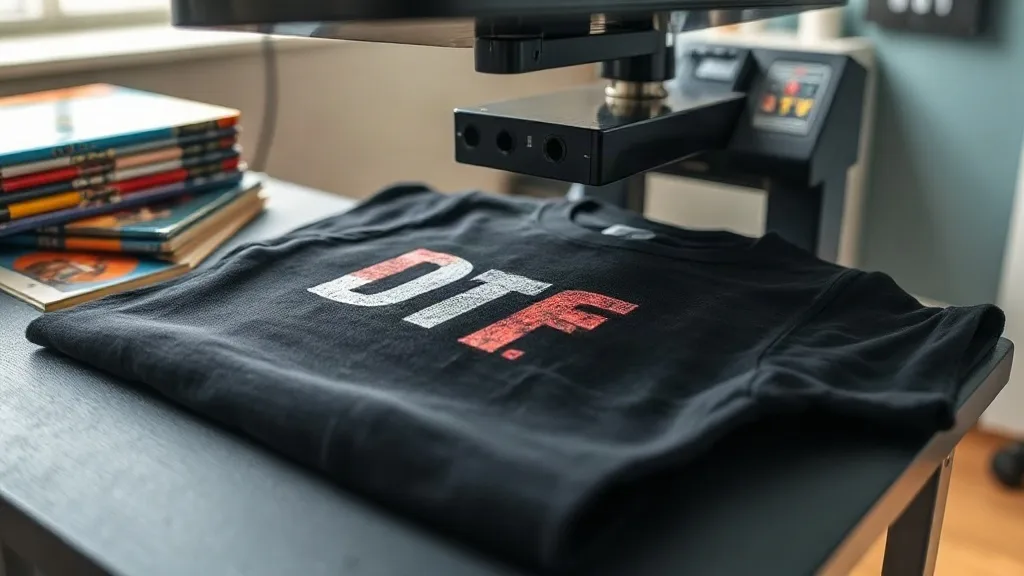
If you're new to the world of custom apparel, you've likely heard about dtf transfers. This innovative printing method is taking the industry by storm, offering unparalleled versatility and vibrant results. Unlike traditional screen printing or vinyl, DTF (Direct to Film) allows you to print full-color designs on virtually any fabric, including cotton, polyester, blends, and even nylon. In this guide, we'll walk you through everything you need to know to get started with DTF transfers, from understanding the basics to applying them like a pro.
What Are DTF Transfers and Why Are They Popular?
DTF transfers are printed designs on a special film that can be heat-pressed onto fabrics. The process involves printing your artwork onto a PET film using specialized dtf inks, then applying a powder adhesive to the wet ink. Once the powder is melted, the transfer is ready to be pressed onto a garment. The result is a soft, stretchable, and durable print that can handle intricate details and gradients with ease.
What makes DTF so popular? For starters, it eliminates the need for color separation and screen setup, making short runs and one-off designs cost-effective. It also works on a wide range of materials, including dark and light colors, without the need for pre-treatment. Plus, the prints are incredibly durable, withstanding dozens of washes without fading or cracking.
Preparing Your Artwork for DTF Printing
Before you dive into printing, it's crucial to prepare your artwork correctly. DTF printing can handle high levels of detail, but starting with a high-resolution file (300 DPI or higher) ensures the best results. Make sure your design is mirrored (flipped horizontally) before printing, as the transfer will be pressed face-down onto the fabric.
Keep in mind that DTF prints are opaque, so you don't need to worry about the fabric color affecting the design. However, if your design has white areas, the printer will lay down a white ink base automatically to ensure those areas pop. Always check with your printer or service provider about their specific file requirements.
Step-by-Step Guide to Applying DTF Transfers
Applying DTF transfers is straightforward, but following the right steps is key to achieving a professional finish. Here's a detailed breakdown:
1. Set Up Your Heat Press
Preheat your heat press to the recommended temperature, typically between 300°F and 325°F (150°C to 160°C). The exact temperature may vary depending on the transfer supplier and fabric type, so always check the instructions. Set the pressure to medium to high, ensuring even contact across the platen.
2. Preheat the Garment
Place your garment on the press and preheat for 5-10 seconds to remove moisture and wrinkles. This step helps the transfer adhere properly and prevents steam from interfering with the bond.
3. Position the Transfer
Place the DTF transfer face-down onto the garment in your desired location. Use heat-resistant tape if needed to secure it in place. Make sure the transfer is flat and free of wrinkles.
4. Press the Transfer
Close the press and apply firm pressure for 10-15 seconds. The exact time depends on the transfer and fabric, so refer to the instructions. Avoid over-pressing, as this can cause the film to wrinkle or the ink to spread.
5. Peel the Film
Once the press is open, immediately peel the film off in a smooth, continuous motion. If the transfer is hot-peel, remove it while hot; if it's cold-peel, wait a few seconds for it to cool slightly. Be careful not to burn yourself.
6. Post-Press (Optional)
For extra durability, you can cover the design with a Teflon sheet or parchment paper and press for an additional 5 seconds. This ensures the adhesive fully bonds with the fabric.
Choosing the Right Fabric for DTF Transfers
One of the biggest advantages of DTF is its compatibility with a wide range of fabrics. However, not all fabrics are created equal. For best results, choose fabrics with a smooth surface, such as 100% cotton, polyester, or blends. Textured fabrics like ribbed knits or canvas may require a higher pressure or a longer press time to ensure the transfer adheres properly.
Also, consider the fabric's colorfastness. If the fabric is dyed with a cheap dye that bleeds, it may affect the transfer's appearance over time. Always test on a small area first if you're unsure.
Common Mistakes to Avoid with DTF Transfers
Even experienced printers can run into issues. Here are some common pitfalls and how to avoid them:
- Insufficient pressure: If the transfer doesn't adhere fully, it may peel off after washing. Make sure your press applies even, firm pressure.
- Wrong temperature: Too hot and the film may melt; too cold and the adhesive won't activate. Always use a heat gun or infrared thermometer to verify the platen temperature.
- Not preheating the garment: Moisture in the fabric can create steam, causing bubbles or weak adhesion. Always preheat.
- Peeling too soon or too late: Follow the peel type (hot vs. cold) recommended by the transfer manufacturer.
Finding Quality DTF Transfers Near You
If you're not ready to invest in a DTF printer, you can order custom transfers from a reputable supplier. When searching for dtf transfers near me, look for companies that offer high-resolution printing, fast turnaround, and clear instructions. Many suppliers provide sample packs so you can test the quality before committing to a larger order.
For those in the US, dtf printing services like DTF Pro Press offer vibrant, durable transfers with quick shipping. They also provide educational resources to help you succeed.
Frequently Asked Questions About DTF Transfers
How long do DTF transfers last?
With proper application and care, DTF transfers can last 50+ washes without significant fading or cracking. Always wash garments inside out in cold water and avoid harsh chemicals.
Can I use DTF transfers on dark shirts?
Absolutely! DTF transfers include a white ink base that makes colors pop on dark fabrics. No need for special pre-treatment.
What's the difference between DTF and DTG?
DTG (Direct to Garment) prints directly onto the fabric, while DTF prints onto a film that is then transferred. DTF is more versatile with fabrics and often more durable, while DTG is better for 100% cotton and has a softer feel.
Do I need a special printer for DTF?
Yes, DTF requires a printer that uses DTF inks and a powder shaker. However, you can also order transfers from professional services if you don't want to invest in equipment.
How should I store DTF transfers?
Store unused transfers in a cool, dry place, away from direct sunlight. Keep them flat to avoid creasing. Properly stored transfers can last up to a year.
With this guide, you're well on your way to mastering DTF transfers. Whether you're a hobbyist or a business owner, DTF offers a world of possibilities for custom apparel. Remember to practice on scrap fabric, follow the instructions, and soon you'll be creating stunning, long-lasting prints with ease.