
You've probably heard that dtf transfers are forgiving, but that doesn't mean you can ignore the building blocks. Ink, powder, and film each play a distinct role, and when one is off, the whole print suffers. In this guide, we'll break down how these components work together, share real-world insights from our shop, and help you troubleshoot issues before they cost you time and money.
The Three Pillars of DTF Printing
Direct-to-film printing relies on a delicate balance between ink, powder, and film. Unlike DTG or screen printing, DTF transfers involve printing a design onto a special film, applying adhesive powder, and then heat-pressing it onto fabric. Each step introduces variables that can make or break the final result. Let's examine each component in detail.
Ink: The Color Carrier
DTF ink is not your average printer ink. It's a pigmented ink that must remain flexible after curing. Water-based inks are common, but the key is the pigment particle size and the binder. Cheap inks may clog printheads or produce dull colors. We learned this the hard way when we tried to save a few bucks on third-party ink; the colors looked fine on film but washed out after a few cycles. Stick with reputable brands and always check for compatibility with your printer.
Another often-overlooked aspect is ink viscosity. If the ink is too thick, it won't flow properly through the printhead, leading to banding. Too thin, and you'll get ink spreading, which ruins fine details. Keep your printer in a stable environment and follow the manufacturer's maintenance schedule.
Powder: The Adhesive
Adhesive powder is what makes the transfer stick to the fabric. It's typically a thermoplastic polyurethane (TPU) powder that melts under heat and bonds with the fibers. The particle size matters: finer powder gives a softer hand and better detail, but it can be trickier to apply evenly. Coarser powder is more forgiving but may feel rougher.
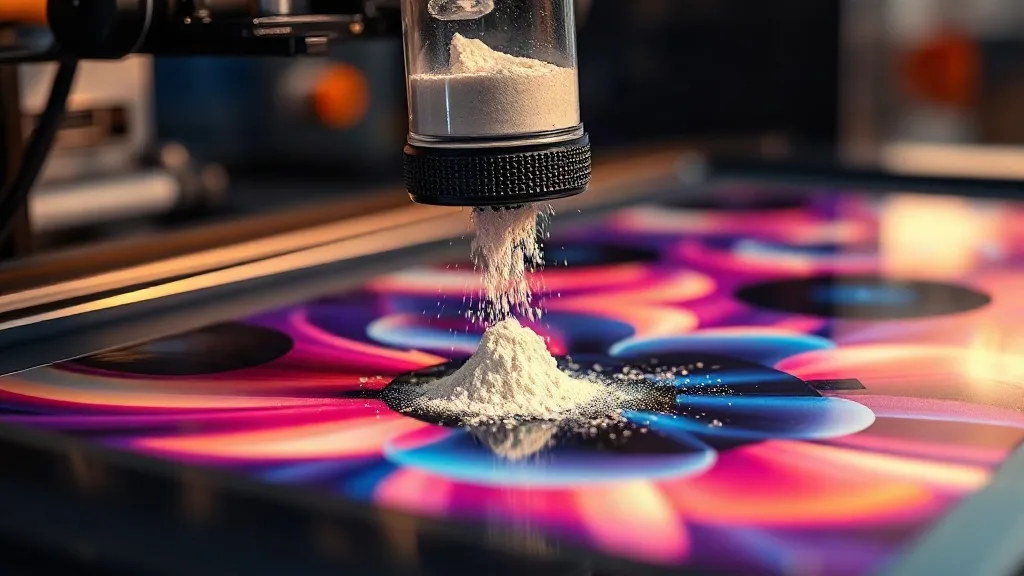
Applying the right amount of powder is an art. Too little, and the transfer won't adhere properly; too much, and you'll get a stiff, plastic-like feel. We recommend using a shaker with a fine mesh and always shaking off excess powder before curing. Also, store powder in a dry place; moisture can cause clumping and uneven application.
Film: The Canvas
DTF film is specially coated to hold the ink and release it cleanly during pressing. There are two main types: cold peel and hot peel. Cold peel film requires the transfer to cool completely before peeling, which can be time-consuming but often yields a smoother finish. Hot peel film allows you to peel immediately after pressing, speeding up production but requiring a bit more finesse to avoid stretching the print.
Film thickness also varies. Thinner films conform better to textured fabrics but can be more prone to wrinkling during printing. Thicker films are more durable but may feel heavier on the garment. Experiment with different films to see what works best for your typical jobs.
How Ink, Powder, and Film Interact
The magic happens when these three components come together under heat and pressure. The ink is printed onto the film, then powder is applied while the ink is still wet. The powder sticks to the ink, and excess is shaken off. During curing, the powder melts and fuses with the ink. When you press the transfer onto fabric, the powder softens again and bonds with the fibers, while the film peels away.
If any part of this chain is off, you'll see it in the final print. For example, if the ink isn't completely dry before powdering, the powder may clump. If the powder is uneven, you'll get patches that don't adhere. If the film is too thin, it might wrinkle and cause the ink to crack. Understanding these interactions helps you diagnose problems quickly.
Common Pitfalls and How to Avoid Them
Even experienced dtf printers run into issues. Here are some of the most common ones and our fixes.
Pitfall 1: Ink Not Curing Properly
Symptoms include cracking after washing or a dull appearance. This often stems from incorrect curing temperature or time. Always use a reliable heat source and follow the ink manufacturer's recommendations. Invest in an infrared thermometer to check the actual temperature of your curing unit.
Pitfall 2: Powder Not Adhering
If the powder doesn't stick to the ink, it could be because the ink is too dry or the powder is too coarse. Try adjusting the ink coverage or using a finer powder. Also, ensure the powder is applied immediately after printing while the ink is still wet.
Pitfall 3: Film Wrinkling
Wrinkles in the film can cause misprints. This can happen if the film is not stored flat or if the printer's feed mechanism is misaligned. Store film rolls vertically and check your printer's rollers regularly.
Pitfall 4: Poor Adhesion After Wash
If the transfer peels after washing, it's usually due to insufficient pressure during pressing or not enough powder. Make sure your heat press is calibrated and apply consistent pressure. Also, consider the fabric: some synthetic blends require lower temperatures to avoid melting.
Choosing the Right Supplies for Your Shop
Not all supplies are created equal. When sourcing dtf transfers near me, look for suppliers with a track record of consistency. Cheap supplies might save you money upfront but can lead to costly reprints and unhappy customers. We recommend starting with small batches to test compatibility with your printer and typical fabrics.
Also, consider the environment. If your shop is humid, you'll need to take extra care to keep powder dry and film free of moisture. Investing in a dehumidifier can pay off in the long run.
Real-World Example: Scaling with Confidence
When we first started offering DTF, we underestimated the importance of consistent supplies. We mixed brands of ink and powder, thinking it wouldn't matter. The result was a batch of transfers that looked great initially but cracked after a few washes. We lost a client and learned a valuable lesson. Now, we stick to one trusted brand for each component and keep detailed logs of every batch. This simple practice has virtually eliminated adhesion issues and improved our turnaround time.
Frequently Asked Questions
Can I use any ink in my DTF printer?
No, DTF printers require specific pigmented inks designed for the process. Using other inks can damage the printhead and produce poor results.
How do I store DTF powder to prevent clumping?
Keep powder in an airtight container in a cool, dry place. Avoid humidity and always reseal the container after use.
What's the difference between hot peel and cold peel film?
Hot peel allows immediate peeling after pressing, speeding up production. Cold peel requires the transfer to cool before peeling, often resulting in a smoother finish.
Why do my transfers crack after washing?
Cracking usually indicates incomplete curing of the ink or insufficient powder. Check your curing temperature and ensure even powder application.
Can I mix different brands of ink and powder?
It's not recommended. Different brands may have incompatible formulations, leading to adhesion issues. Stick to one brand for each component.