
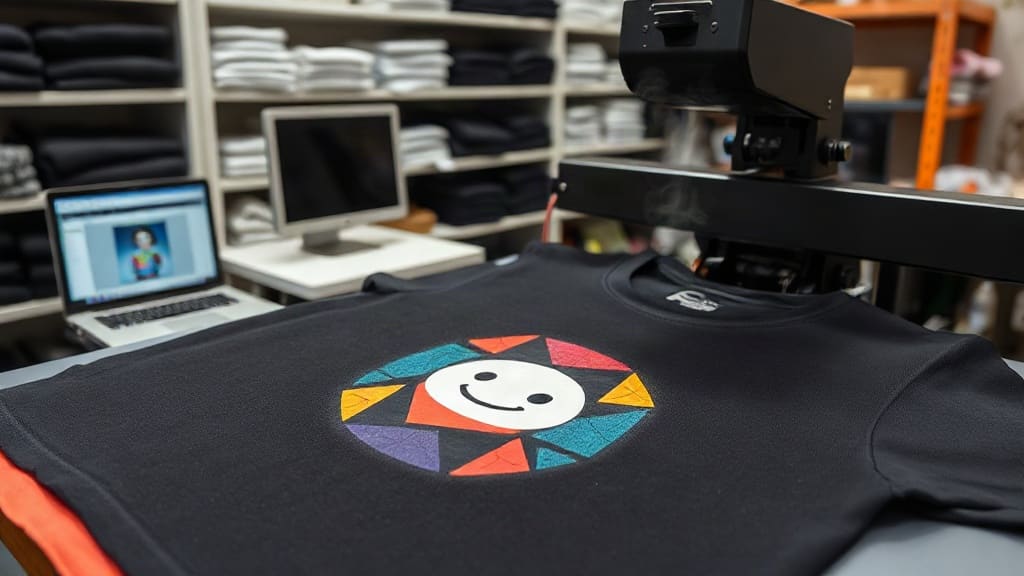
If you're searching for DTF printing services, you've likely typed "dtf transfers near me" into your search bar. It's a common starting point for small business owners, custom apparel creators, and hobbyists who want vibrant, durable prints without investing in expensive equipment. But finding the right provider takes more than just picking the first result. You need someone who delivers consistent quality, fair pricing, and reliable turnaround times. In this guide, I'll walk you through everything you need to know about locating and evaluating DTF transfers providers in your area, so you can make an informed choice that keeps your projects on track.
What Are DTF Transfers and Why Are They So Popular?
DTF, or Direct to Film, is a printing method where designs are printed onto a special PET film, coated with adhesive powder, and then heat-pressed onto fabric. Unlike traditional screen printing or heat transfer vinyl, DTF works on a wide range of materials, including cotton, polyester, blends, and even tricky surfaces like nylon or leather. This versatility is one reason why DTF has exploded in popularity among custom apparel businesses.
Another advantage is the level of detail. DTF prints can capture fine lines, gradients, and vibrant colors that are difficult to achieve with other methods. Plus, the transfers are durable, lasting through many washes without cracking or fading. For small batches or one-off orders, DTF is often more cost-effective than screen printing, which typically requires minimum quantities. That's why many entrepreneurs are searching for "dtf transfers near me" to outsource this process.
The Growing Demand for Local DTF Services
Local providers offer several benefits. You can inspect samples in person, discuss your project face-to-face, and often get faster turnaround since shipping is minimal. But not all local services are created equal. Some may offer low prices but sacrifice quality, while others might have high minimum orders that don't suit your needs. Knowing what to look for can save you time, money, and frustration.
Key Factors to Consider When Choosing a DTF Transfer Provider
Before you commit to any provider, take the time to evaluate them based on these critical criteria:
Print Quality and Resolution
The whole point of using DTF is to get sharp, vivid prints. Ask to see physical samples or high-resolution photos of recent work. Pay attention to how the colors look, whether the edges are clean, and if there are any signs of banding or faint lines. A reputable provider will be happy to show you their portfolio. Also, check if they use high-quality inks and films, as these directly impact durability.
Material Compatibility
Not all DTF transfers work equally well on every fabric. While DTF is quite versatile, some providers may have optimized their processes for specific types of materials. If you primarily print on 100% cotton, you might want a provider who has tested their transfers on that fabric. Conversely, if you work with performance wear or blends, ask about their experience there. A good provider will offer guidance on which materials work best with their transfers.
Turnaround Time and Shipping
In the custom apparel business, time is money. If you need orders fulfilled quickly, you can't afford a provider that takes two weeks to ship. Inquire about their typical turnaround times, both for standard and rush orders. Also, consider shipping costs and whether they offer local pickup. Some providers even provide same-day services for urgent projects, which can be a lifesaver during peak seasons.
Pricing and Minimum Orders
Pricing for DTF transfers can vary widely. Some providers charge by the square foot, while others have a per-piece price based on size. Ask for a detailed quote, including any setup fees or color charges. Also, find out if they require a minimum order. For small businesses testing new designs, a low minimum is beneficial. For larger runs, volume discounts might be available. Compare several quotes to get a sense of the market rate in your area.
Customer Service and Support
The level of customer service can make or break your experience. Look for a provider who is responsive, patient, and willing to answer your questions. They should offer advice on file preparation, color matching, and best practices for pressing. A provider that treats you as a partner rather than just an order number is worth their weight in gold.
How to Find the Best DTF Transfers Near Me
Now that you know what to look for, here are some practical steps to find a reliable provider in your area:
- Search with Intent: Use specific search terms like "DTF printing services near me" or "custom DTF transfers local." Include your city or zip code to narrow results.
- Check Online Reviews: Platforms like Google, Yelp, and Facebook are goldmines of feedback. Look for reviews that mention quality, turnaround, and customer service. Pay attention to how the business responds to negative reviews; it says a lot about their professionalism.
- Visit Social Media: Many small print shops showcase their work on Instagram or TikTok. Browse their posts to see real examples and get a feel for their style. Direct message them with questions; their response time can be telling.
- Ask for Referrals: If you know other local businesses that use custom apparel, ask who they use. Personal recommendations are often the most reliable.
- Request a Test Order: Before committing to a large order, place a small test order. This allows you to evaluate the quality, adhesion, and washability firsthand.
Questions to Ask Potential DTF Providers
When you've shortlisted a few providers, don't be shy about asking these questions:
- What type of film and ink do you use?
- Can I see samples of prints on different fabrics?
- What is your turnaround time for a typical order?
- Do you offer discounts for bulk orders?
- What is your minimum order quantity?
- How do you handle color matching to my design?
- What are your payment terms?
- Do you provide any warranty or guarantee on your transfers?
These questions will help you gauge their expertise and whether they align with your needs.
The Importance of Proper Heat Pressing
Even the best DTF transfer won't perform well if it's not pressed correctly. While your provider's job is to produce the transfer, you need to understand the application process. Most providers will give you instructions, but here are the basics:
- Pre-press the garment for a few seconds to remove moisture and wrinkles.
- Place the transfer on the garment with the film side up.
- Use a heat press set to the recommended temperature (usually around 320°F to 350°F).
- Apply medium to firm pressure for 10 to 15 seconds.
- Peel the film while it's still hot or warm, depending on the manufacturer's instructions.
- For extra durability, some suggest a second press with a Teflon sheet or parchment paper.
If you're not confident in your pressing skills, ask your provider if they offer application services or can recommend local professionals.
Common Mistakes to Avoid When Using DTF Transfers
To get the most out of your DTF transfers, steer clear of these pitfalls:
- Ignoring Fabric Care: DTF transfers are durable, but they last longer if you wash garments inside out in cold water and avoid high heat in the dryer.
- Skipping Test Presses: Always do a test press with a scrappy piece of fabric to ensure your temperature and pressure are correct.
- Using Low-Resolution Files: Your transfer will only be as good as your artwork. Provide high-resolution PNG files with transparent backgrounds, ideally at 300 DPI.
- Not Considering Placement: Think about where the design will sit on the garment. Some areas, like seams or zippers, are difficult to press.
- Choosing Price Over Quality: Going with the cheapest option might save money upfront, but if the transfers peel or fade after a few washes, you'll lose more in the long run with returns or unhappy customers.
How to Compare DTF Transfer Prices
Pricing structures can be confusing. Here's a breakdown of common pricing models:
- Per Square Foot: This is common for larger orders. The price usually decreases with volume.
- Per Transfer: Some providers charge a flat rate per transfer, regardless of size. This is simpler for small orders.
- Setup Fee: Some providers charge a one-time fee to prepare your file for printing. This might be waived for larger orders.
- Color Count: Unlike screen printing, DTF doesn't typically charge extra for colors, but a few providers might. Clarify this.
When comparing quotes, make sure you're comparing apples to apples. Ask for a quote based on a specific design size and quantity, and include shipping or pickup costs.
Case Study: How a Small Business Thrived with Local DTF Transfers
I spoke with a local boutique owner who started using DTF transfers for her custom apparel line. Initially, she was hesitant because she thought screen printing was the only professional option. After a friend recommended a DTF provider, she ordered a test batch of 20 transfers. The quality impressed her, and the turnaround was just three days. She now orders regularly and appreciates that she can offer small batch custom pieces without huge minimums. "It's been a game-changer," she told me. "I can test new designs frequently without breaking the bank." This example shows how finding the right provider can transform your business.
Future Trends in DTF Printing
The DTF industry is evolving. Expect to see advancements in ink technology that offer even better stretchability and color vibrancy. Some providers are investing in automated processes to reduce costs and turnaround times. Also, there's a growing emphasis on eco-friendly inks and films, which could appeal to environmentally conscious consumers. Staying informed about these trends can help you choose a provider who is forward-thinking.
Conclusion
Finding the best DTF transfers provider near you doesn't have to be a shot in the dark. By understanding what makes a quality transfer, asking the right questions, and testing samples, you can build a reliable partnership that supports your projects. Whether you're just starting or looking to switch providers, take the time to research and compare. Your customers deserve prints that look great and last long, and the right provider makes all the difference. So go ahead, start your search with confidence, and don't hesitate to request those test orders.
Frequently Asked Questions
How long do DTF transfers last?
When applied correctly and cared for properly, DTF transfers can last for many washes. On average, you can expect them to withstand 50 to 100 wash cycles without significant fading or cracking. To maximize longevity, wash garments inside out in cold water and avoid using bleach or fabric softeners. Tumble dry on low heat or hang to dry. If you follow these care instructions, your prints will maintain their vibrancy for a long time.
Can I use DTF transfers on dark colored fabrics?
Yes, one of the major advantages of DTF is that it works exceptionally well on dark fabrics. The white underbase in DTF printing ensures that colors stay vibrant even on black or navy materials. This is a significant advantage over some other methods that require additional steps for dark garments. Just make sure your provider uses high-quality white ink to achieve the best opacity.
What is the minimum order quantity for DTF transfers?
Minimum order quantities vary by provider. Some have no minimum, making it ideal for testing or small projects. Others might require as few as 10 transfers, while some large-scale operations may set a minimum of 50 or more. When searching for "dtf transfers near me," be sure to ask each provider about their minimums to find one that fits your needs.
How much do DTF transfers cost?
The cost of DTF transfers depends on several factors, including the size of the design, the quantity ordered, and the provider's pricing structure. On average, you can expect to pay anywhere from $1.50 to $5 per transfer for standard sizes. Larger orders typically bring the price down. To get an accurate estimate, request a quote from a few local providers and compare their rates.
Can I use DTF transfers on polyester garments?
Yes, DTF transfers work on 100% polyester and polyester blends. However, polyester has a lower melting point compared to cotton, so you need to use a lower pressing temperature and shorter dwell time to avoid melting the fabric. Many providers offer specific instructions for pressing on polyester. If you're unsure, ask your provider for guidance or test on a small piece first.