
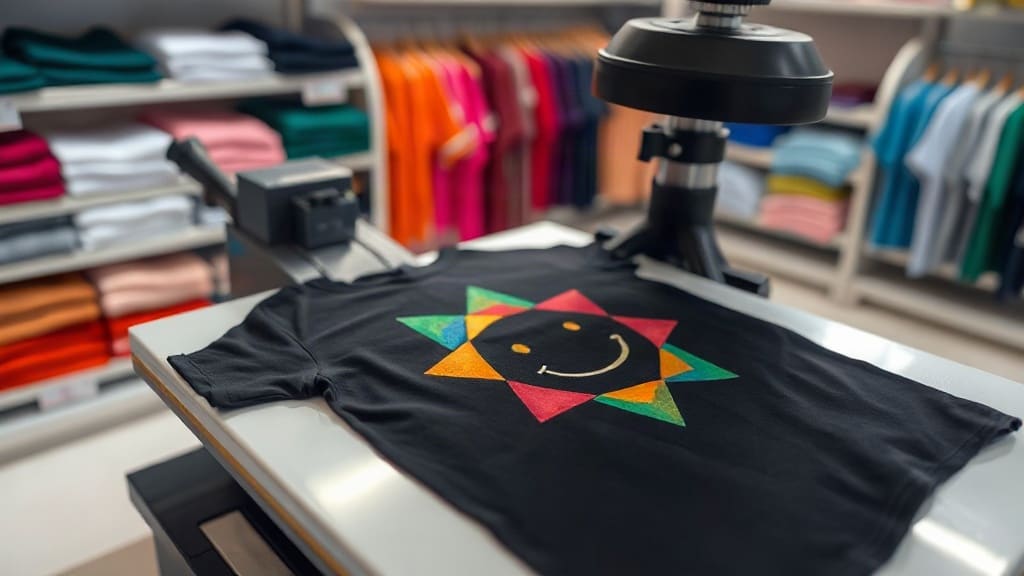
If you're in the custom printing business or just starting out, you've likely heard the buzz around DTF transfers. But what exactly are they, and why are they taking the apparel industry by storm? In this comprehensive guide, we'll dive deep into the world of DTF transfers, covering everything from the basics to advanced tips. By the end, you'll understand why this technology is a game-changer and how you can leverage it for your own projects.
What Are DTF Transfers?
DTF stands for Direct to Film. It's a printing method that involves printing your design onto a special film, applying adhesive powder, and then heat-pressing that film onto a garment. Unlike traditional screen printing or heat transfer vinyl, DTF transfers allow for vibrant, detailed, and durable prints on a variety of fabrics, including cotton, polyester, blends, and even nylon.
The process is simple: you print your design in reverse onto a PET film using a specialized DTF printer, then apply a hot-melt adhesive powder to the wet ink, cure it, and you have a ready-to-press transfer. When you're ready to use it, you just place the film on your garment and heat press it. The result is a soft, stretchable, and long-lasting print that feels like part of the fabric.
Why DTF Transfers Are So Popular?
There are several reasons why DTF transfers have become a favorite among print shops and hobbyists alike. First, they offer incredible color vibrancy and detail, even on dark fabrics, without the need for a white underbase in many cases. Second, they are versatile, working on a wide range of materials. Third, they are cost-effective for small to medium runs, as there's no setup cost like screen printing. Finally, they are easy to use, making them accessible to beginners and professionals.
How to Use DTF Transfers: Step-by-Step Guide
Using DTF transfers is relatively straightforward, but there are some key steps to ensure a perfect result every time.
Step 1: Prepare Your Garment
Start with a clean, wrinkle-free garment. Place it on the heat press and pre-press for a few seconds to remove moisture and wrinkles. This ensures a smooth surface for the transfer.
Step 2: Position the Transfer
Place your DTF transfer film on the garment with the printed side facing up (the film is clear, so you'll see the design). Make sure it's centered and aligned correctly. Use heat-resistant tape to secure it in place if needed.
Step 3: Heat Press Settings
Set your heat press to the recommended temperature and time. Typically, it's around 320°F (160°C) for 15-20 seconds with medium to firm pressure. However, always check the manufacturer's instructions for your specific transfer.
Step 4: Press and Peel
Press the film onto the garment. After the time is up, peel the film while it's still hot (hot peel) or after it cools (cold peel), depending on the transfer type. Most DTF transfers require hot peeling, so test a small piece first.
Step 5: Final Press
For extra durability, you can place a piece of parchment paper or Teflon sheet over the design and press again for a few seconds. This helps lock in the adhesive.
Benefits of Using DTF Transfers
One of the biggest advantages of DTF transfers is their ability to print on a wide variety of fabrics, including those that are difficult to print on with other methods. They also produce prints that are soft to the touch, with no heavy plastic feel. Additionally, they are highly durable, withstanding multiple washes without fading or cracking. And because they are pre-printed, you can store them and apply them as needed, making them perfect for on-demand printing.
DTF Transfers vs. Other Printing Methods
To understand why DTF is so popular, it helps to compare it to other methods like screen printing, DTG (Direct to Garment), and vinyl.
DTF vs. Screen Printing
Screen printing is excellent for large runs but requires screens and setup that are costly for small orders. DTF transfers have no setup cost, making them ideal for small batches and individual items. Plus, DTF can achieve photorealistic details that are harder with screen printing.
DTF vs. DTG Printing
DTG printers are expensive to buy and maintain, and they require pre-treatment for dark garments. DTF transfers only need a standard heat press, which is much more affordable. Additionally, DTF works on a broader range of fabrics, including polyester, which DTG struggles with.
DTF vs. Heat Transfer Vinyl
HTV is great for simple designs and solid colors, but it's not suitable for full-color, intricate designs. DTF transfers handle gradients, shadows, and small details with ease, and they have a softer feel.
Finding DTF Transfers Near Me
If you're searching for dtf transfers near me, you have a few options. You can look for local print shops that offer DTF transfer services, or you can order online from specialized companies. Many businesses now offer custom DTF transfers where you can upload your design and receive ready-to-press films in the mail. This is convenient and often more cost-effective, especially for small quantities.
When choosing a supplier, consider factors like film quality, adhesive strength, and customer reviews. A reputable provider will ensure your transfers come out perfectly every time.
Tips for Perfect DTF Transfers
Here are some professional tips to get the best results with DTF transfers:
- Always test your heat press settings on a scrap piece of fabric before pressing the actual garment.
- Use a Teflon sheet or parchment paper to protect both the garment and the film during pressing.
- Make sure your film is completely cool before peeling if it's a cold peel variant.
- Store your transfers in a cool, dry place to prevent the adhesive from degrading.
- If your design has fine details, use a higher resolution image (300 DPI) to ensure crispness.
Common Mistakes to Avoid
Even experienced printers can make mistakes. Here are some common pitfalls and how to avoid them:
- Using too high pressure can cause the design to bleed or distort. Stick to medium pressure.
- Not pre-pressing the garment can lead to moisture affecting the transfer. Always pre-press.
- Peeling too early or too late can affect the finish. Follow the recommended peel time.
- Ignoring the care instructions for the finished garment can reduce the life of the print. Wash inside out in cold water and avoid tumble drying.
Applications of DTF Transfers
DTF transfers are incredibly versatile, making them suitable for a wide range of applications:
- Custom t-shirts for events, teams, or businesses
- Workwear and uniforms with company logos
- Promotional products like tote bags and caps
- Personalized gifts and merchandise
- Small fashion brands producing limited runs
Cost Considerations
One of the most attractive aspects of DTF transfers is their cost-effectiveness. For small orders, they are much cheaper than screen printing because there's no setup fee. Even for larger orders, the price per transfer decreases when you buy in bulk. Plus, you don't need to invest in expensive equipment like DTG printers; a heat press and a DTF printer are sufficient.
Future Trends in DTF Printing
The DTF industry is evolving rapidly. We're seeing improvements in film quality, more eco-friendly materials, and faster production times. Some companies are even developing water-based inks for DTF, which would reduce environmental impact. As the technology becomes more accessible, we can expect DTF transfers to become a staple in the custom printing world.
Conclusion
DTF transfers have revolutionized the custom printing industry by offering a flexible, high-quality, and cost-effective solution for creating custom apparel. Whether you're a seasoned printer or a hobbyist, incorporating DTF transfers into your workflow can open up new opportunities and simplify your process. So why not give it a try? Start with a small order, experiment with different fabrics, and see the amazing results for yourself.
Frequently Asked Questions
What is the best fabric for DTF transfers?
DTF transfers work best on cotton, polyester, and blends. They also adhere well to nylon and some other synthetics. However, for best results, we recommend using garments with at least 50% cotton content, as the adhesive bonds more effectively with natural fibers.
How long do DTF transfers last?
With proper care, DTF transfers can last for many washes. They are durable and resistant to cracking and fading. To extend the life of your print, wash the garment inside out in cold water and avoid using bleach or fabric softeners. Tumble drying on low heat is acceptable, but air drying is even better.
Can I use DTF transfers on dark clothing?
Yes, absolutely! One of the major advantages of DTF transfers is their ability to print on dark fabrics without a white underbase in many cases. The transfer includes a white layer that serves as a base, so your design stays vibrant and opaque even on black shirts.
What equipment do I need to apply DTF transfers?
You'll need a heat press with adjustable temperature and pressure. A standard clamshell or swing-away press works fine. You'll also need a Teflon sheet or parchment paper to protect the transfer during pressing. No other special equipment is required.
Are DTF transfers eco-friendly?
Traditional DTF transfers use PET film and adhesive powders that may not be biodegradable. However, many manufacturers are working on more sustainable options, such as water-based inks and recyclable films. As a consumer, you can look for suppliers that prioritize eco-friendly practices.